

A technician leaves, but the service report doesn't say whether the tenant was home or when anyone will return. Without a clear pest control visit log, you may spend the next week chasing details across texts, invoices, and phone calls.
That gap matters when bed bugs are involved. A unit-level record gives your property team a reliable way to track findings, assign follow-up, and review what happened before a case is closed. Start with the details that are easiest to lose after the technician leaves.
Why a service receipt isn't enough
An invoice can confirm that a vendor provided pest control services. It may not tell the next manager which rooms were inspected, what the technician found, or whether a locked unit prevented treatment.
A pest control log should capture which rooms were inspected, what the technician found, access barriers, resident observations, and management's next steps. Without those details, a tenant may hear that the issue was handled, while the exterminator expects access for another inspection. Months later, a new complaint in the same unit can send staff searching through an old inbox.
Record each visit while the details are fresh. Keep the technician's report with resident observations, access problems, and management's next steps in the same case history. A clear record helps your team compare visits for internal quality assurance and respond consistently. It doesn't prove that pests are gone or replace a professional inspection.
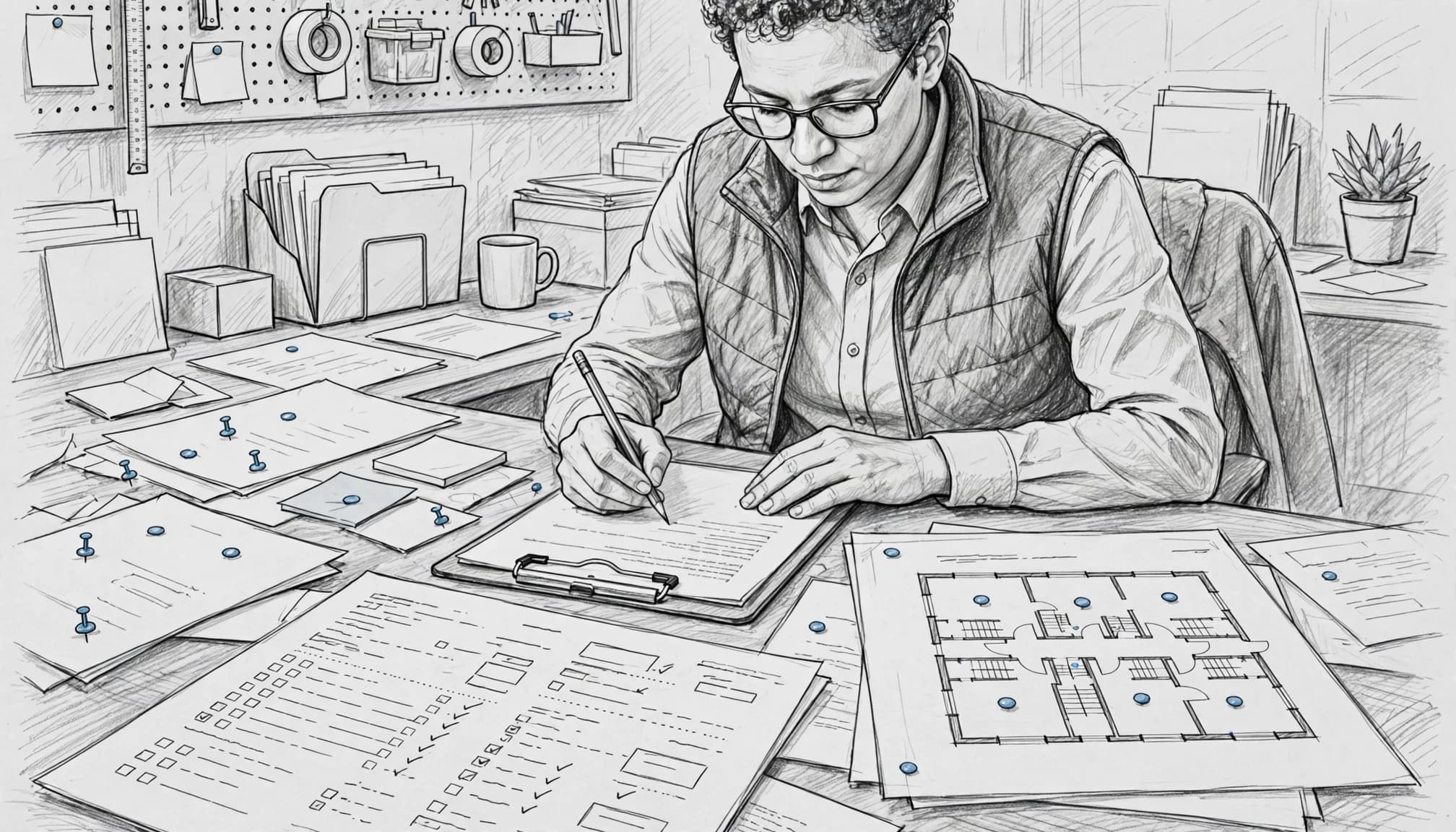
Pest control visit log: what to capture
Use the same fields for every appointment, including visits where the technician finds no activity. A documented negative finding is more useful than an empty space that nobody can explain.
Identify the visit and its scope
Record the visit date, arrival and departure times, property address, and unit numbers. Name the technician, pest control company, and management contact. If a superintendent or tenant was present, note that too.
List the spaces covered by the pest inspection, including whether the technician checked a kitchen or the whole unit. Include adjacent units, hallways, laundry rooms, or storage areas only if someone checked them.
Also record spaces the technician couldn't enter and why. "Unit 4B unavailable; tenant requested a new appointment" tells the next person what needs scheduling. "Building inspected" doesn't.
Describe findings without guessing
Record the pest the technician identified, where they found it, and any pest activity they observed. If identification is pending, say so. Keep tenant reports separate from verified findings: "Tenant reported bites" and "technician found bed bugs" are different statements.
Note the type and location of pest evidence, such as insects, spotting, droppings, or damaged packaging. When pest monitoring devices apply, record trap or bait station locations, condition, activity, and whether the technician serviced them. For each bait station checked, note whether it needed servicing. Don't assume a device belongs in every bed bug case.
Photos can preserve details that are hard to describe. Give each image a date, unit or location, and short note. Limit access to people who need the record, especially when photos show a tenant's belongings.
Document treatment and instructions
Write down what the technician did, including inspected areas, treatment locations, and preventive measures. If the provider supplies product names, application details, or written safety instructions, attach that report rather than reconstructing it from memory.
Capture preparation or re-entry instructions as the provider gave them. Record any resident questions the team still needs to answer. A note that says "treated" is incomplete if the tenant needs to prepare for another visit or avoid a treated area.
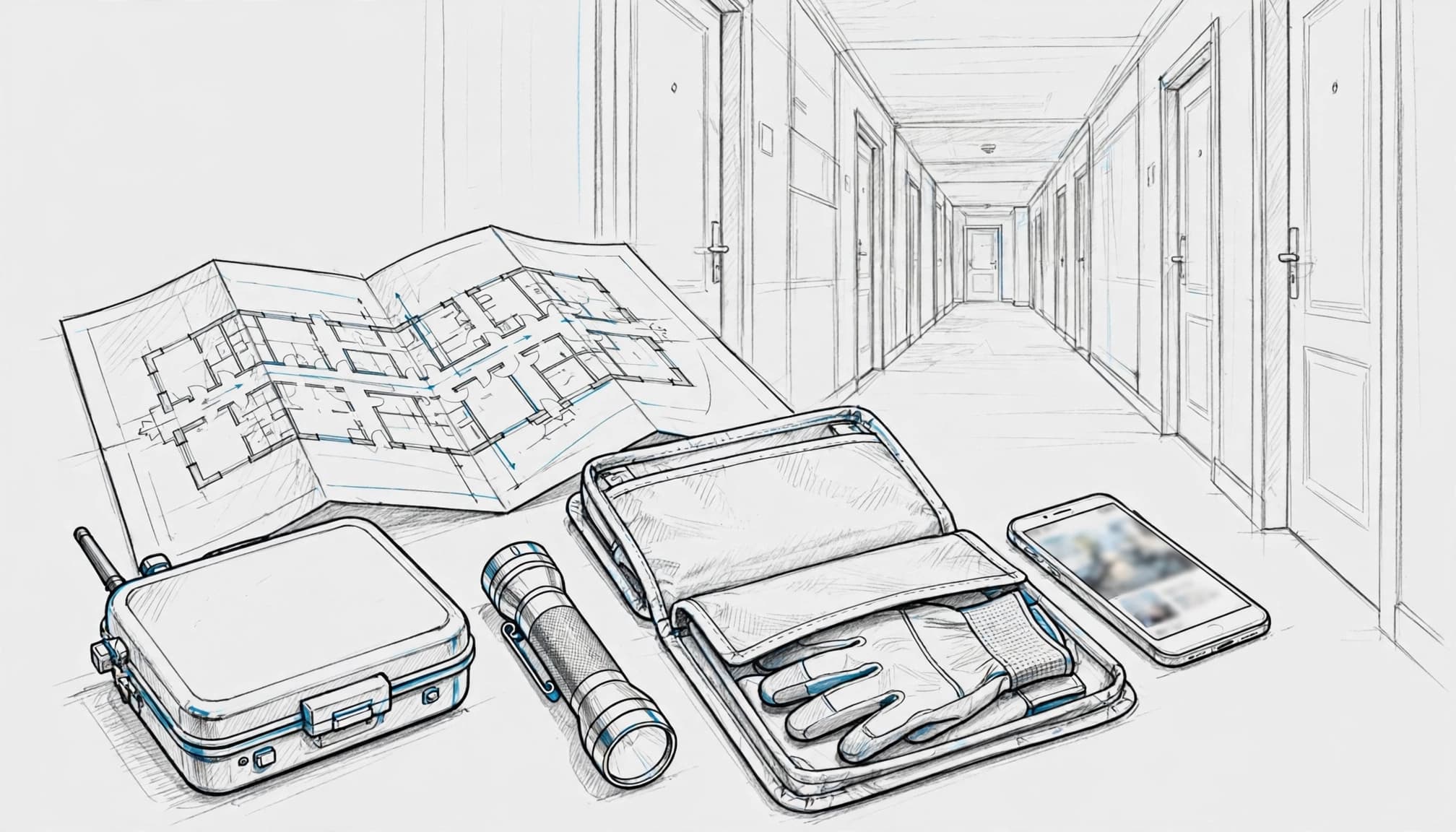
Copyable post-visit record for each unit
Use this log template for one record per visit, linking each pest control log entry to the unit's ongoing case history. Fill in unknown information after checking with the technician; don't turn an unknown finding into "none."
| Field | Entry |
|---|---|
| Property and unit | Building address; unit or common-area location |
| Visit | Date; arrival and departure times |
| People | Technician and company; management contact; tenant or staff present |
| Scope | Areas inspected; areas treated; areas not accessed |
| Reported concerns | Dated tenant or staff observations from the pest sighting log, not verified findings |
| Technician's findings | Pest identification, evidence, location, and activity observed |
| Monitoring devices | Trap or bait station location, condition, and findings, if applicable |
| Service performed | Inspection, treatment, or other work; attach provider's report |
| Products and instructions | Product details when supplied; provider's preparation or safety directions |
| Supporting files | Dated photos, work order, service report, and relevant notices |
| Open issues | Access barriers, pending identification, or unresolved activity |
| Next steps | Action, responsible person, target date, and follow-up appointment |
| Status | Open, awaiting follow-up, or closed, with reason and date |
When applicable, record each bait station check, including its date and findings.
Use a consistent unit format across the building. Otherwise, "4B," "Apt 4-B," and "four B" can look like separate locations when you review case history. Keep the original vendor document alongside your summary so staff can check the technician's wording.
An inaccessible room is an open issue, not a negative inspection finding.
Assign the work that follows the visit
The most useful line in a pest control visit log may be the one written after the technician leaves: who will do what next, and by when.
If the provider recommends another inspection or outlines treatment plans, record the target date and name the person responsible for contacting the tenant. If access failed, assign a named person to arrange it by a target date, and note what instructions the resident needs. For building repairs or housekeeping concerns, assign a staff member and due date as a corrective action, without treating it as a substitute for pest control.
Tell the tenant what happened in plain language, while respecting the technician's findings. Keep a copy of the response and any preparation notice. If a concern remains unresolved, leave the case open until the team has a documented reason to close it.
Tenants can also submit a bed bug complaint through NYC311. An organized response history helps management answer questions about appointments and reported conditions without relying on someone's memory.
Use case history to spot what changed
One visit rarely tells the whole story. Compare dates, locations, technician findings, treatments, follow-up outcomes, and pest activity across the unit's records. Manual trend analysis of this pest evidence helps reviewers compare later reports with earlier records, rather than view them in isolation.
Be careful with status labels. "No activity observed during the follow-up inspection" describes a finding at a particular time. "Resolved" is a management status that needs a clear basis, such as the provider's assessment and completion of the planned follow-up. Neither phrase guarantees future activity won't occur.
Nearby reports also deserve a careful review. If residents in adjoining units report similar pest activity, management can share the case history with the pest professional and ask what further inspection makes sense. Keep each unit's observations distinct; one confirmed finding shouldn't automatically become a confirmed infestation elsewhere.
Keep NYC bed bug records ready for annual filing
For NYC multiple dwellings, a visit record has a second use: it helps the owner assemble an accurate bed bug history for annual reporting. Service records can help staff organize unit histories. Organized documentation may support regulatory compliance review, but it doesn't establish compliance or complete the filing.
Track units and outcomes throughout the year
Under HPD's bed bug reporting guidance, Local Law 69 requires multiple-dwelling owners to attempt to obtain infestation histories. The annual report calls for building-level figures, including dwelling units, infested units, units where eradication measures occurred, and units re-infested after eradication.
Keep tenant history requests, reports, inspection findings, treatment details, and follow-up outcomes organized by unit. Owners of covered buildings file even when there were no reported infestations. A blank folder isn't a reliable way to establish a zero-case year.
Separate service visits from the filing deadline
According to NYC311's annual report instructions, the reporting period runs from November 1 through October 31. The HPD filing window is December 1 through December 31.
Before filing, reconcile unit histories with vendor reports and check current HPD instructions. Keep the filing receipt and required tenant materials with the building's records after submission. Annual reporting and responding to an active infestation are separate duties; a filed report doesn't finish an open case.
Choose a record system your team will use
Paper forms can work when staff fill them in promptly and store them with the vendor report. Problems start when the form stays in a maintenance office while tenant photos sit in email. Updates from pest control services and the next appointment may be scattered elsewhere.
What a shared record should preserve
Whether you use paper or software, your pest control log should help authorized staff find the original complaint, appointment history, technician updates, attachments, and assigned follow-up. Dates and unit identifiers need to stay consistent. Exportable service records help when an owner asks for a case history or the team prepares annual figures.
Digital photos may add useful context, including where and when someone captured them. Check their location details rather than treating geotags as proof of a pest finding. The technician's written observations still matter.
How BedbugOps NYC connects the steps
The BedbugOps Portal gives each building a specific QR code. A tenant can use it to submit a bed bug report with unit details, notes, and photos, creating a starting point for the case.
This digital workflow lets facility managers and exterminators work from a shared case timeline instead of piecing together separate messages. The team can review reports, add service and follow-up updates, and export records when preparing for HPD's December filing window. Staff should still confirm the underlying findings, unit counts, and current filing instructions before submitting an annual report.
Key takeaways
- Record the visit's date, people, locations, findings, treatment details, and any spaces the technician couldn't access.
- Keep resident observations distinct from the technician's confirmed findings, and attach the provider's original report.
- Give each recommendation an owner and a follow-up date. Leave unresolved cases visibly open.
- For NYC bed bug cases, maintain unit histories throughout the reporting year rather than rebuilding them in December.
Frequently asked questions
How often should traps or bait stations be checked?
There isn't one schedule for every building and pest. Ask your pest control provider to set pest monitoring intervals based on the site, device, activity, and any applicable requirements. Record each trap inspection, the bait station's condition or activity, and the next planned visit. For food-service spaces, consult the site's food safety procedures and applicable rules; the FDA Food Code is food safety guidance that jurisdictions may adopt, not a universal inspection schedule.
Does a pest control log guarantee compliance?
No. A pest control log can document findings and actions, but it doesn't by itself establish regulatory compliance. HACCP compliance, for example, depends on meeting the plan's own requirements; NYC's annual bed bug report is a separate owner filing duty. Check the rules that apply to your building or business.
Should a visit be logged if no pests were found?
Yes. Record which areas the technician checked, the result, and any access limits or recommended follow-up. That gives the next reviewer a dated finding without implying that uninspected spaces were clear.
Make the next visit easier to manage
A missing detail after one visit can become a confusing case history after three. A consistent record keeps the tenant's report, the technician's findings, and management's next action connected without overstating what any inspection proved.
Use the post-visit fields for your next appointment, then keep the case current through follow-up. To bring tenant intake, exterminator updates, and filing-prep records into one shared timeline, visit BedbugOps NYC pricing and choose the setup that fits your buildings.