

Waking up with itchy bumps can make your mind race. It is helpful to remember that bed bug bites often appear in lines or clusters, but you should keep in mind that bite marks alone do not confirm an infestation. Other factors like mosquito bites, flea bites, hives, and plain skin irritation can look very similar.
Start with the skin, not the guess. As Healthline's guide to bed bug bites explains, identifying these bites can be difficult based on skin appearance alone. Many reactions settle with simple home care, so the safest first move is basic first aid.
That calm approach also helps NYC property managers, who may need to respond fast, document reports, and keep residents updated in a clear way.
Key Takeaways
- Prioritize gentle care: Clean the affected area with mild soap and water, and use cold compresses to manage itching instead of harsh home remedies like bleach or rubbing alcohol.
- Avoid skin breakage: Do not scratch the bites, as broken skin significantly increases the risk of secondary bacterial infections.
- Monitor for severe symptoms: While most bites are mild, seek immediate medical attention if you experience fever, spreading red streaks, or signs of a systemic allergic reaction.
- Verify before reacting: Confirm an infestation by searching for physical evidence like live bugs, blood stains on linens, or eggs before jumping to conclusions based solely on skin marks.
- Report efficiently: In shared or managed housing, use organized reporting systems to document findings clearly and help property managers coordinate professional pest control services.
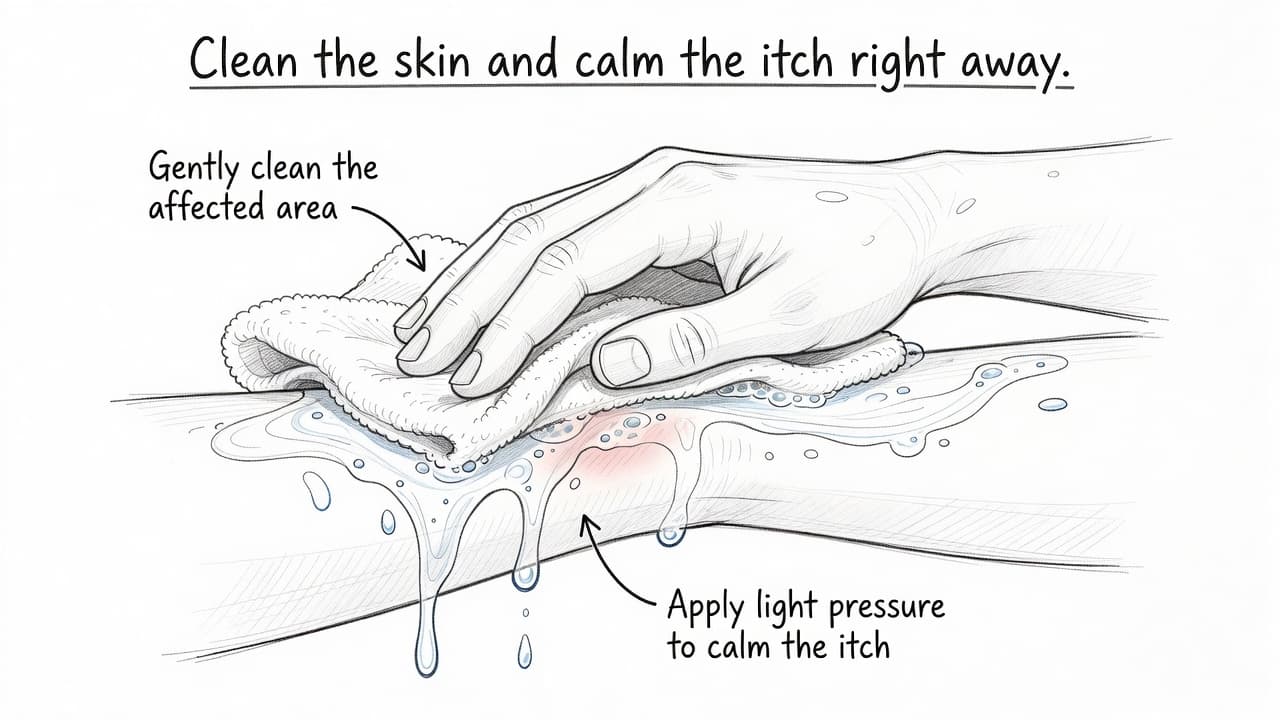
Clean the skin and calm the itch right away
Effective treatment for bed bug bites begins with gentle care. Your primary goal is to clean the area, manage the intense itching, and avoid making the skin more irritated.
- Wash the spot thoroughly with mild soap and water.
- Pat the area dry with a clean towel, and be careful not to rub the skin.
- Apply a cold compress to the site for 10 to 15 minutes to reduce inflammation.
- If the irritation persists, apply calamine lotion or 1 percent hydrocortisone cream if the label confirms it is safe for your use.
- If necessary, over-the-counter oral antihistamines may help, but always use them exactly as the label directs.
If the bite is on a child's skin or near delicate areas, read product labels with extra care before applying any medication.
Use gentle home care that helps the skin heal
It is vital to avoid scratching, especially for children, because broken skin creates an entry point for bacteria. You must avoid scratching the area to prevent a secondary infection. Once the skin opens, a small bite can quickly turn into a much larger problem.
If the spot does break open, clean it gently with soap and water and cover it with a sterile bandage. You can apply an antiseptic cream to the site to promote healing. You may repeat the cold compress later if the discomfort returns.
The American Academy of Dermatology's advice on bed bugs also points to a low-strength corticosteroid cream when itching needs more relief than simple cooling.
What not to put on a bite
Skip bleach, rubbing alcohol, toothpaste, and strong essential oils. These home remedies can sting, dry out the skin, and make the irritation worse.
Harsh products often feel like they are doing something useful, but they can create a second skin problem. Plain, low-risk care is almost always the better move when managing bed bug bites.
Know the warning signs that need medical care
Most bed bug bites are uncomfortable but not dangerous. However, some individuals may experience a systemic allergic reaction that requires closer attention. This is not about panic, but rather noticing when basic skin care is no longer enough. This is first aid guidance rather than a medical diagnosis, so contact a healthcare provider when symptoms exceed mild irritation.
Symptoms that suggest infection or a stronger reaction
This guide helps distinguish mild symptoms from those that require faster medical intervention.
| Symptom | What to do |
|---|---|
| Mild itching and a few bumps | Use home care and keep watch |
| Persistent redness and swelling | Call a clinician the same day |
| Warmth, pus, or rising pain | Seek medical care soon |
| Fever or red streaks | Get urgent medical attention |
| Trouble breathing, dizziness, or anaphylaxis | Call 911 right away |
If you notice significant redness and swelling, it may indicate a heightened sensitivity. Furthermore, intense itching that leads to broken skin significantly increases the risk of a secondary infection. Contact a doctor sooner if the rash spreads, the bite is near the eyes, or the person has a documented history of a severe allergic reaction. Additionally, children who cannot stop scratching may need professional assistance to prevent skin damage.
For a plain summary of these steps and red flags, Verywell Health's treatment overview matches this same approach.
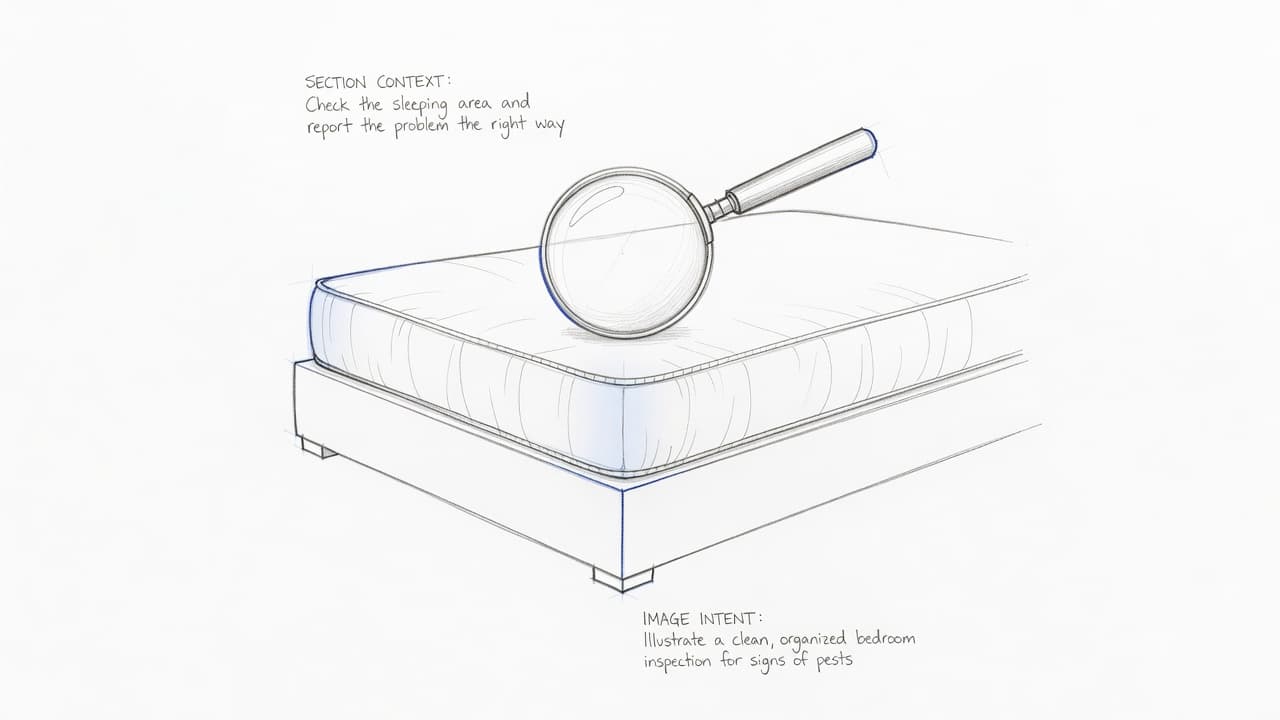
Check the sleeping area and report the problem the right way
Once your skin is treated, shift your focus to the room. Identifying infestation signs is crucial because bed bug bites often look like those from other pests, so you must look for concrete evidence before drawing conclusions.
Carefully inspect mattress seams, box springs, headboards, bed frames, baseboards, nightstands, secondhand furniture, and upholstered items. Look for live bugs, shed exoskeletons, tiny white eggs, blood stains on sheets, or a musty smell near the sleeping area.
 If you strip the bed, place linens in a bag before carrying them out of the room to avoid spreading pests. Use a hot water wash followed by a tumble dry on high heat if the fabric allows it. Keep items from the bed in the same room until they are ready for cleaning.
Vacuum along seams, joints, and floor edges, then immediately empty the vacuum canister into a sealed bag outside. Avoid using foggers or random sprays, as these can push bed bugs into new hiding spots and increase your chemical exposure.
If you find clear evidence, contact a licensed pest control professional. A qualified pest control professional can help verify the infestation signs and determine the best strategy for your home. Quick action matters, but careful action matters more.
Why quick reporting matters in managed buildings
For NYC property managers, speed and documentation are essential. A resident may report suspected bed bug bites when the true cause is a different pest or a skin condition, so it is important to investigate for potential infestation signs to verify the claim.
A simple reporting path helps everyone move faster. If your building uses a BedbugOps QR code, residents can send unit details, notes, and photos in under a minute. This keeps the case organized and makes follow-up significantly easier for building staff and exterminators.
Frequently Asked Questions
How can I tell if a bite is from a bed bug or another pest?
It is often impossible to distinguish bed bug bites from mosquito or flea bites based on appearance alone. Instead of guessing based on your skin, you should look for physical evidence of an infestation, such as live bugs, shed exoskeletons, or blood spots on your mattress seams.
Can I use essential oils or household products to treat the itching?
No, you should avoid using household items like bleach, toothpaste, or strong essential oils, as these can sting and further irritate the skin. It is safer to stick to simple cold compresses, calamine lotion, or 1 percent hydrocortisone cream to manage discomfort.
When is it necessary to see a doctor for a bite?
Most bites heal on their own, but you should contact a professional if you notice signs of infection, such as pus, increasing warmth, or rising pain. You must seek emergency medical care immediately if you experience dizziness, difficulty breathing, or other signs of a severe allergic reaction.
What is the best way to handle linens if I suspect bed bugs?
If you suspect an infestation, place all affected linens into a bag before removing them from the room to prevent the potential spread of bugs. Wash the items in hot water and dry them on high heat to effectively eliminate the pests.
A steady first step matters most
Wash the skin, cool the itch, and leave harsh products out of your plan for treating bed bug bites. Monitor the affected area carefully for warning signs, such as spreading redness and swelling, pus, fever, or trouble breathing.
After addressing your skin, look for physical evidence to confirm the source of the issue. For property managers, documenting infestation signs and following a fast response process helps residents feel heard while ensuring staff can resolve the situation effectively.
Calm first aid and clear reporting usually work better than panic.