

On Sunday, July 19, 2026, Global Citizen's free FIFA World Cup 2026 final watch party is expected to bring up to 50,000 fans to Central Park's Great Lawn. Tickets are required, but the event itself is free. This global celebration for FIFA 2026 will feature giant screens, food vendors, live entertainment, and a full afternoon in one shared space.
A gathering of 50,000 soccer fans does not mean bed bugs will be present. Still, shared ground space, bags, jackets, blankets, transit, and nearby hotels can create a bed bug transfer possibility. A few practical habits can reduce the chance that an unwanted hitchhiker follows you home.
Key Takeaways
- Bed bugs do not fly or jump; instead, they move by hiding in personal belongings and traveling with people.
- Large gatherings of World Cup fans can increase contact between bags, blankets, jackets, transit seats, and hotel items.
- Minimize what you carry, keep your bags zipped or closed, and inspect your belongings carefully before bringing them inside.
- Bites alone do not confirm a bed bug infestation. High quality photos, a physical specimen, and a professional inspection provide the most accurate answers.
- NYC building teams and property managers require fast reporting and organized record keeping after any suspected incident to maintain safe living environments.
How a 50,000-Person Crowd in Central Park Could Increase Bed Bug Transfer Possibility
Bed bugs are not a public-health panic button. They do not jump from person to person, and they do not fly across a lawn. They typically spread when a bug, or less often an egg, hides in a seam, fold, pocket, or zipper and gets carried to a new location.
That makes a large outdoor gathering during the FIFA World Cup 26 different from a hotel room or apartment infestation. Sitting near another fan while watching the beautiful game does not automatically cause a problem. The realistic concern is contact between personal items over several hours of international soccer festivities.
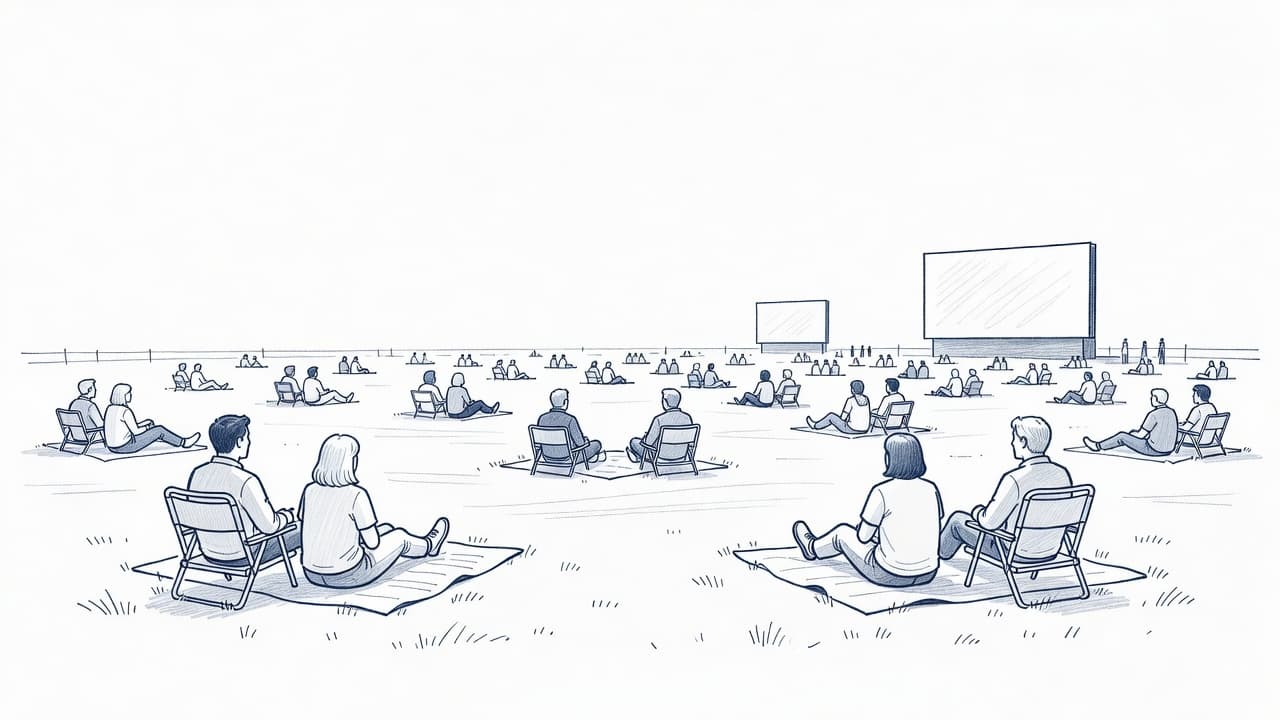
The Great Lawn will hold fans watching three giant LED screens, eating from vendors, and staying through the 3:00 PM match kickoff. People may bring backpacks, jackets, folding blankets, strollers, and sports gear. Some items will sit on the grass. Others may end up against another bag, coat, or blanket.
The trip home matters too. A visitor may use a rideshare, subway, bus, train, or hotel room before returning to an apartment. Each stop adds another setting where belongings may rest on upholstered or shared surfaces.
The Items Most Likely to Carry Bed Bugs Home
Bags are the main concern because they travel everywhere. Backpacks, purses, tote bags, luggage, and fabric sports gear have seams, pockets, straps, and zippers that can shelter a small insect.
Jackets, folded blankets, strollers, and reusable shopping bags also deserve attention. Bed bugs can hide in fabric folds where a quick glance will not find them. Their eggs are small and pale, while young bugs can be difficult to spot without close inspection.
A visual check is still useful. It should lead to careful handling, not panic. Avoid tossing everything on a bed or couch when you get home.
What the July 19 Event Details Mean for Visitors
Gates are scheduled to open at noon, with the kickoff at 3:00 PM. The match itself will take place at New York New Jersey Stadium. Central Park is hosting the official Global Citizen watch party, not the match.
Use your digital ticket and arrive with only what you need for the day. For the latest news regarding entry points, gate access, and arrival plans, check the Central Park event information.
Simple Three Steps to Stay Bed Bug Free in a Crowd
No prevention routine makes risk zero. It does give you a simple process that works better than bringing everything inside and hoping for the best.
Step One: Limit What You Bring and Keep Bags Closed
Bring essential items only. A compact bag with a smooth exterior or a secure closure is easier to inspect than an overfilled backpack with loose fabric pockets. Because this soccer tournament watch party will offer free entry, expect large, dense crowds where personal space is at a premium.
Keep backpacks, coats, and blankets off shared fabric surfaces when possible. Avoid placing bags in piles of other people's belongings. Keep personal items close and in sight, especially during food breaks or trips to a vendor.
The University of Minnesota Extension also advises travelers not to place purses, backpacks, or bags on beds, couches, or other resting areas in its bed bug prevention guidance. The same basic idea applies after a long outdoor event.
Step Two: Inspect Your Belongings Before Going Inside
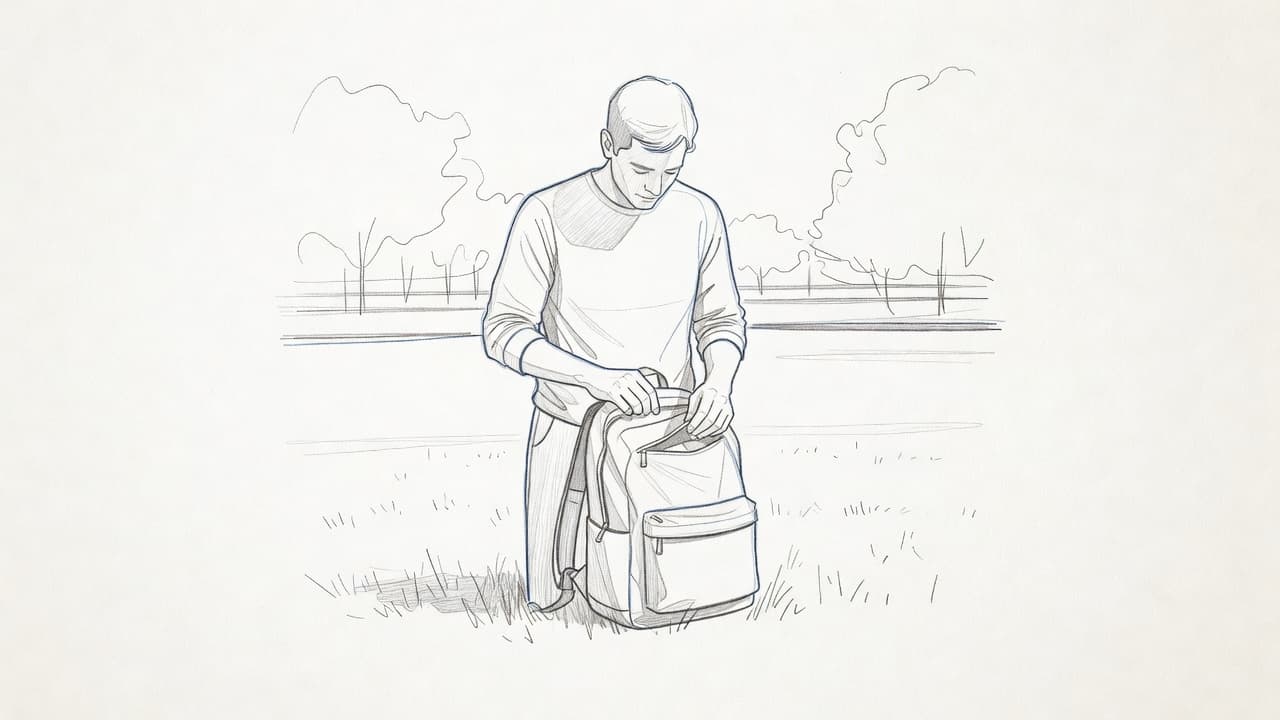
Check bags outdoors or in a bright entry area before bringing them into your home. Look at seams, pockets, folds, straps, zippers, and the underside of the bag.
Warning signs include dark spotting, shed skins, tiny pale eggs, or live reddish-brown bugs. Don't rely on bites as proof. Mosquitoes, skin irritation, allergies, and other insects can leave marks that look similar.
Step Three: Isolate and Treat Items After the Event
Keep returning clothes and bags away from beds, couches, closets, and laundry piles until they are checked. Put washable clothing directly into the laundry. A sufficiently hot dryer cycle can help kill bed bugs on dryer-safe items.
Delicate clothing, backpacks, and strollers need a careful inspection instead. Don't spray pesticides on your skin, clothing, bag, or public areas. If you find possible evidence, save it if you can and contact a licensed pest professional.
The goal is not to treat every item as contaminated. The goal is to stop a suspected item from reaching places where bed bugs can settle.
What Tenants and Building Managers Should Do After the FIFA 2026 Weekend
A tenant may notice a bug days after the event. Waiting for repeated bites or more sightings can make an issue harder to track. A prompt report gives the building a starting point while details are still clear.
Tenants should include the unit number, date noticed, exact location, photos, and a short description. Managers should avoid scattered texts, calls, and email threads. They should protect tenant privacy, arrange an inspection, record treatment details, and give residents clear next steps.
Property teams can find practical bed bug reporting resources and review BedbugOps pricing options when building a consistent response process. While these challenges are often associated with New York, they are not unique to the area. For instance, teams in Houston Texas often navigate similar logistics when acting as a Houston Host City for various large scale host city events.
How to Tell a Suspicion From a Confirmed Infestation
Bites do not identify bed bugs. A qualified pest professional should confirm the issue through a physical inspection and evidence found in the unit.
Check sleeping areas for live insects, dark fecal spots, shed skins, and eggs around mattress seams, bed frames, headboards, baseboards, and nearby furniture. Take clear photos when possible. If you find an insect, avoid crushing it. Place it in a sealed container or bag for identification.
Why Fast Reporting Helps NYC Buildings Stay Organized
Fast reporting is about response quality, not blame. A single record for tenant reports, inspection notes, exterminator updates, treatment dates, and follow-up checks keeps the case clear.
It also helps property managers prepare for NYC HPD's annual bed bug filing season, which runs from December 1 through December 31. Automated bed bug reporting for NYC buildings can replace last-minute searches through emails, spreadsheets, and superintendent messages. By centralizing this data, management teams ensure they remain compliant and ready for any inspections that follow major public events.
The BedbugOps NYC Solution for Tracking Reports and HPD Filing
BedbugOps is a New York City focused property management tool for reporting, tracking, resolving, and documenting bed bug incidents. While it does not replace a professional inspection or extermination service, it provides tenants, managers, building staff, and vendors with one centralized place to manage the entire process. Whether managing a property near a major event hub like FWC26 or a high traffic NYC building, documentation is essential for maintaining a healthy living environment.
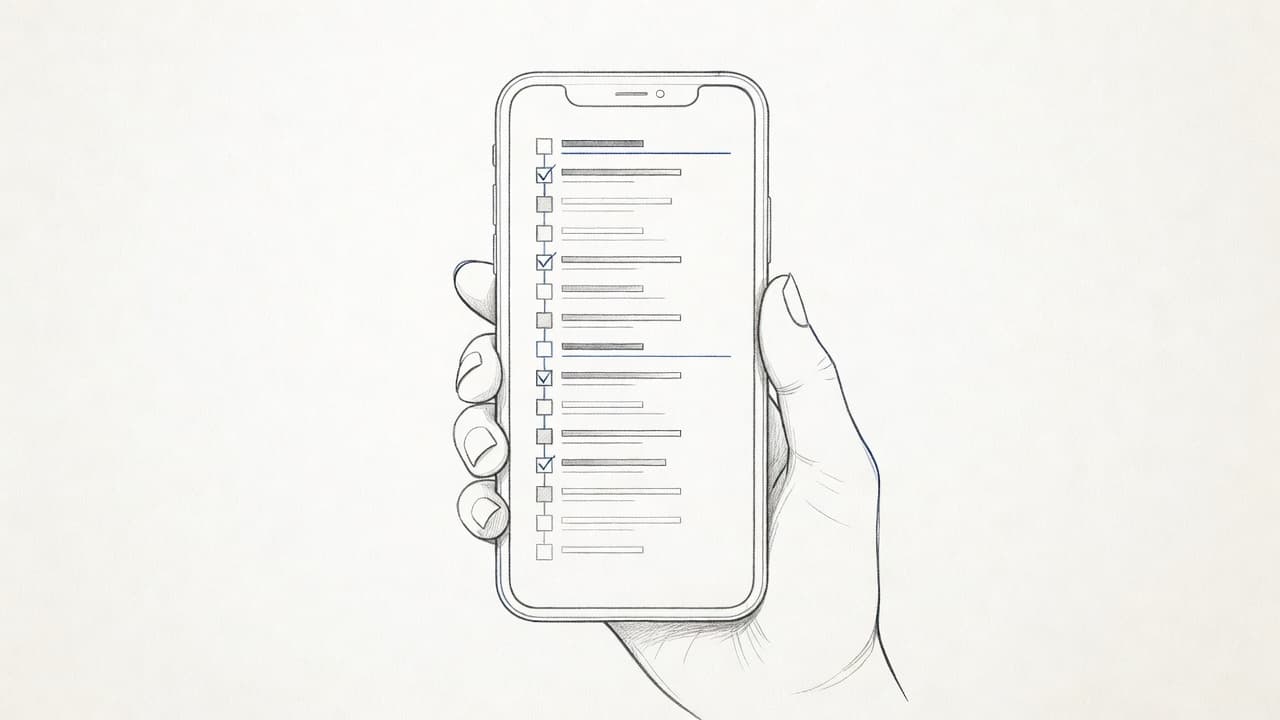
With the BedbugOps Portal, property teams can utilize a building specific QR code that lets tenants immediately report a bed bug issue, include unit details, notes, and photos in under a minute. Managers and exterminators can use our shared case timeline to track the bed bug resolution as the case progresses, then easily review and export records when HPD annual bed bug filing season arrives in December.
A Simple Workflow From First Report to Resolution
The process starts when a tenant submits a report. Building staff reviews the submission, records the unit and date, and routes the issue for inspection. If treatment is required, the exterminator adds timely updates and treatment information directly into the system.
The manager then records follow up results and resident communication. All dates, unit numbers, inspection findings, treatment records, and next steps remain connected to the same case. This gives every stakeholder the same accurate information without the need to chase updates across multiple communication channels.
How Better Records Support NYC HPD Annual Bed Bug Filing
Accurate annual filing depends on maintaining precise incident records. A building needs enough information to review exactly what happened during the year without the stress of reconstructing each case from scattered old messages.
Export ready documentation can significantly reduce the December scramble. While the software does not guarantee compliance on its own, it simplifies the record keeping process. Managers should always confirm current HPD rules, deadlines, and filing requirements. The BedbugOps resources page can help teams build better reporting habits throughout the year to ensure they are prepared before the end of the season.
Frequently Asked Questions
Is it dangerous to attend the FIFA 2026 watch party in Central Park?
No, attending the event is not inherently dangerous. While large crowds can increase the likelihood of accidental bed bug transfer through shared spaces, you can easily mitigate this risk by practicing basic hygiene and inspecting your personal belongings after the event.
Can bed bugs jump or fly onto me during the event?
Bed bugs do not have the ability to fly or jump. They are hitchhikers that primarily spread by hiding in the seams, folds, or zippers of bags, jackets, and other personal items that are placed near infested areas.
What should I do if I think I brought a bed bug home?
Do not panic or immediately spray pesticides. Keep the item isolated from your sleeping and living areas, perform a thorough inspection, and contact a licensed pest professional to confirm whether an infestation exists.
A Practical Plan for a Big New York Day
The FIFA 2026 watch party in Central Park captures the true soul of football, bringing together a 50,000-person crowd that represents one of the largest sports and music gatherings New York will see. While this massive attendance is not proof of bed bugs, the sheer density of the event makes sensible belongings checks worthwhile. As fans travel between this site and other world-class venues across the country, maintaining awareness is key.
To stay prepared, bring less with you, inspect what comes home after the festivities, and report suspected bed bugs quickly. While checking match updates, remember that property management teams should utilize a shared reporting system to make post-event follow-up and annual HPD documentation easier to manage. By staying proactive, we can ensure the energy remains as positive as the spirit found in soccer and the everyday New Yorker, keeping the city safe and comfortable for every fan.