

Bed bugs can survive a trip through the laundry if the wash is too cool or the dryer provides too little heat. For NYC property managers, a completed wash isn't proof the items are pest-free.
Tenants can spend hours laundering belongings, then expose clean clothes to an untreated basket or bedroom. Start with a contained laundry process, then connect it to professional inspection and follow-up.
Key Takeaways
- Washing alone doesn't reliably eliminate bed bugs, especially their eggs.
- High dryer heat is an important heat step when garment-care labels allow it.
- Keep treated clothes sealed, and address the infestation beyond the laundry.
What Heat and Time Can Accomplish
Hot washing requires more than a temperature setting
Bed Bug Specialist, citing Rutgers' Wang laboratory, reports that washing at 60°C (140°F) for 30 minutes killed all stages in the research it describes. At 40°C, adults died, but only about 25% of bed bug eggs did. These results aren't a guarantee for every household cycle.
A hot water cycle alone doesn't guarantee that insects or eggs will be eliminated. Batzner gives more conservative advice: wash at 140°F for over 90 minutes. It also warns that eco and energy-saving cycles may provide insufficient heat.
Follow garment-care labels. Don't damage clothing trying to reach a temperature it cannot tolerate.
The dryer is an important heat step
Rutgers' bed bug guidance recommends a hot dryer for at least 30 minutes. Batzner recommends the highest setting, or high heat, for at least an hour. Wet or bulky loads need enough time to dry and heat throughout.
Use the highest setting the fabric safely tolerates, following the pest professional's preparation instructions. Don't overload either machine because crowded loads heat unevenly.
Batzner also advises that laundry detergent choice doesn't determine success. Ordinary laundry detergent is appropriate; soap isn't a substitute for adequate heat.
A Contained Laundry Workflow for NYC Buildings
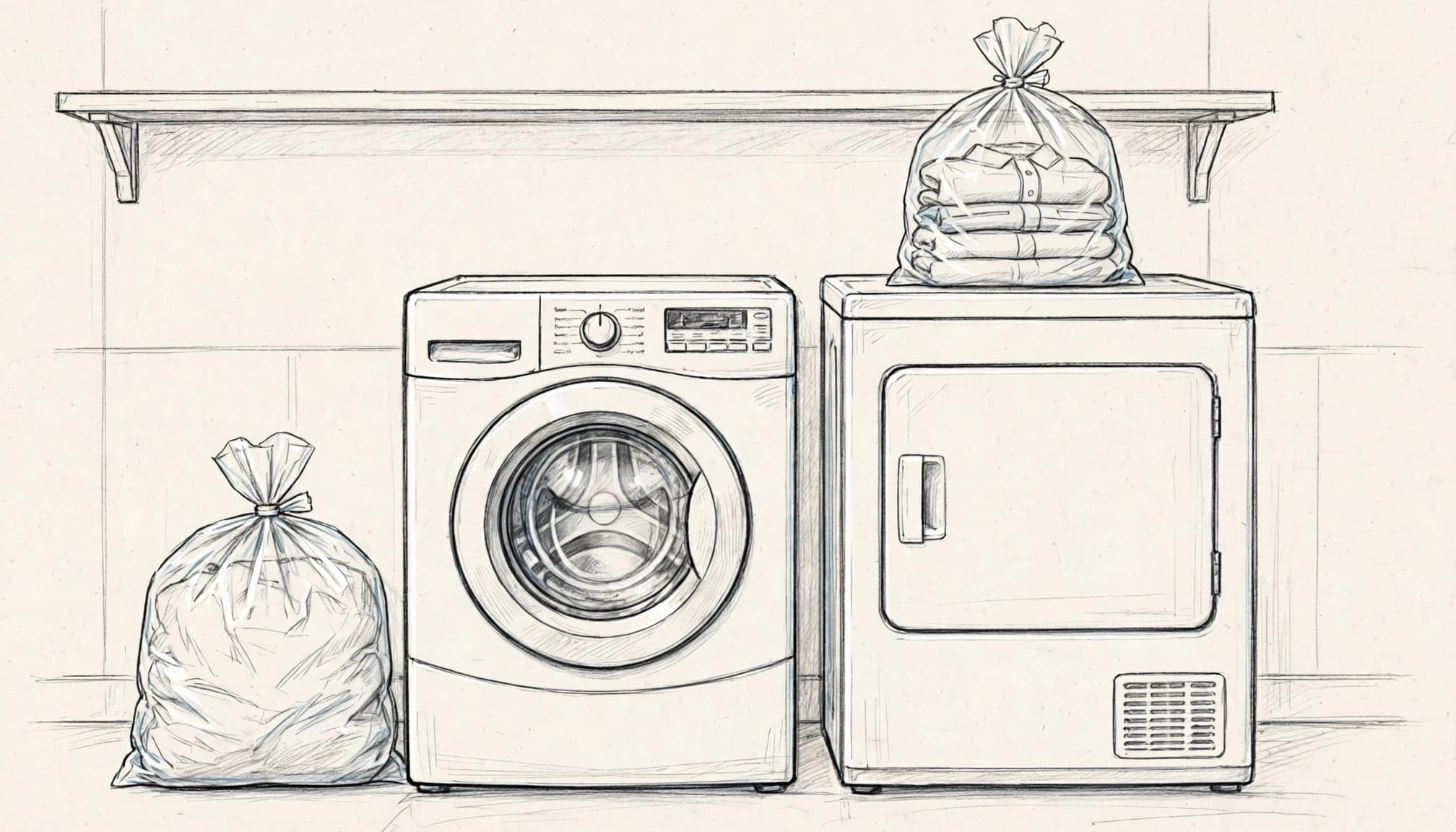
Loose clothing carried through hallways creates avoidable opportunities for spread. Give residents one written process rather than conflicting instructions from several staff members.
- Sort inside the affected apartment. Separate washable items, dryer-safe items, and belongings needing a different approach. Seal each pile in its own plastic bag before transport.
- Keep bags closed until loading. Empty items directly into the machine without shaking them. Seal used transport bags for disposal rather than using them for clean clothes.
- Wash and dry manageable loads. Follow care labels when washing clothes, and use the provider's instructions for appropriate dryer heat. Leave room for items to move instead of packing the drum.
- Prepare clean containers beforehand. Place new heavy-duty plastic bags near the dryer. Don't return treated clothing to the old laundry basket, which may remain contaminated.
- Seal immediately after drying. Put dry clothes directly into fresh sealed bags, gently squeeze out excess air, and close securely. Store them in a designated clean zone, away from potentially contaminated containers and furniture, until treatment is complete.
Our NYC tenant preparation guide connects laundry handling with apartment access and other treatment preparations.
What About Items That Cannot Take High Heat?
Delicates and dry-clean-only clothing
Keep delicate garments sealed separately. Bed Bug Specialist reports that dry cleaning is effective against all life stages, but tell the cleaner about suspected bed bugs before bringing anything in.
Leather shoes, structured garments, and suitcases need item-specific decisions. Don't put them through a hot dryer unless their care instructions allow it. Seek professional help to choose an alternative that won't damage the item.
Don't assume a steam cleaner is suitable for garments or belongings. Follow item instructions and professional recommendations. A pest professional may recommend a vacuum for cautious cleanup, but vacuuming doesn't replace inspection or an infestation response.
Freezing suitable belongings
University of Minnesota Extension advises -18°C (0°F) for at least four days, with timing beginning only after the item's center reaches that temperature. Bulky belongings take longer to cool.
Keep items bagged and use a freezer only for materials rated for freezing. A brief stay outdoors or a few hours in the freezer doesn't meet that treatment threshold.
Connect Laundry Preparation to a Building Case
Laundry treats belongings, not the bed frame, baseboards, or nearby hiding places. Returning clean clothes to an untreated room can create a risk of reinfestation.
A qualified pest professional or exterminator should inspect the space and select an appropriate bed bug treatment. Bed bug spray isn't a substitute for inspection. Professional heat treatment is one option; targeted insecticide plans may involve repeat visits. The right approach depends on the infestation and property conditions.
With BedbugOps NYC, we help property teams coordinate that response. Each building gets a building-specific QR code so tenants can submit unit details, notes, and photos in under a minute.
Managers and exterminators can use our shared case timeline to track preparation instructions, inspection findings, service dates, and follow-up. That keeps laundry directions attached to the same incident instead of scattered across texts.
Teams can then review or export organized records for HPD's December 1 through December 31 annual filing window. Our software supports coordination and documentation; it doesn't replace professional inspection or extermination.
Frequently Asked Questions
Can bed bugs survive inside a washing machine?
Yes, they can survive an insufficiently hot cycle in the washing machine. A completed cycle doesn't prove insects or eggs died, so don't skip the appropriate dryer treatment.
Must tenants wash everything again every week?
Repeated laundering isn't automatically necessary. Keep treated belongings sealed and follow the provider's plan. Items exposed again may need retreatment; avoid reopening every bag without a reason.
Make Laundry Part of a Documented Response
Heat, careful bagging, and protected storage make laundry useful against bed bugs. Building-wide follow-through keeps a finished load from becoming a false finish line.
Give residents consistent instructions and keep every inspection, treatment, and follow-up in one case record.
Start your 7-day BedbugOps trial to organize tenant reports, coordinate exterminators, and prepare exportable records for your NYC buildings.